Best Flowers For Sympathy 2026
A practical roundup review of the best options for best flowers for sympathy, with quick picks, comparison notes, mini reviews, buying advice, and FAQ.
Best Flowers For Sympathy 2026
Roundup review
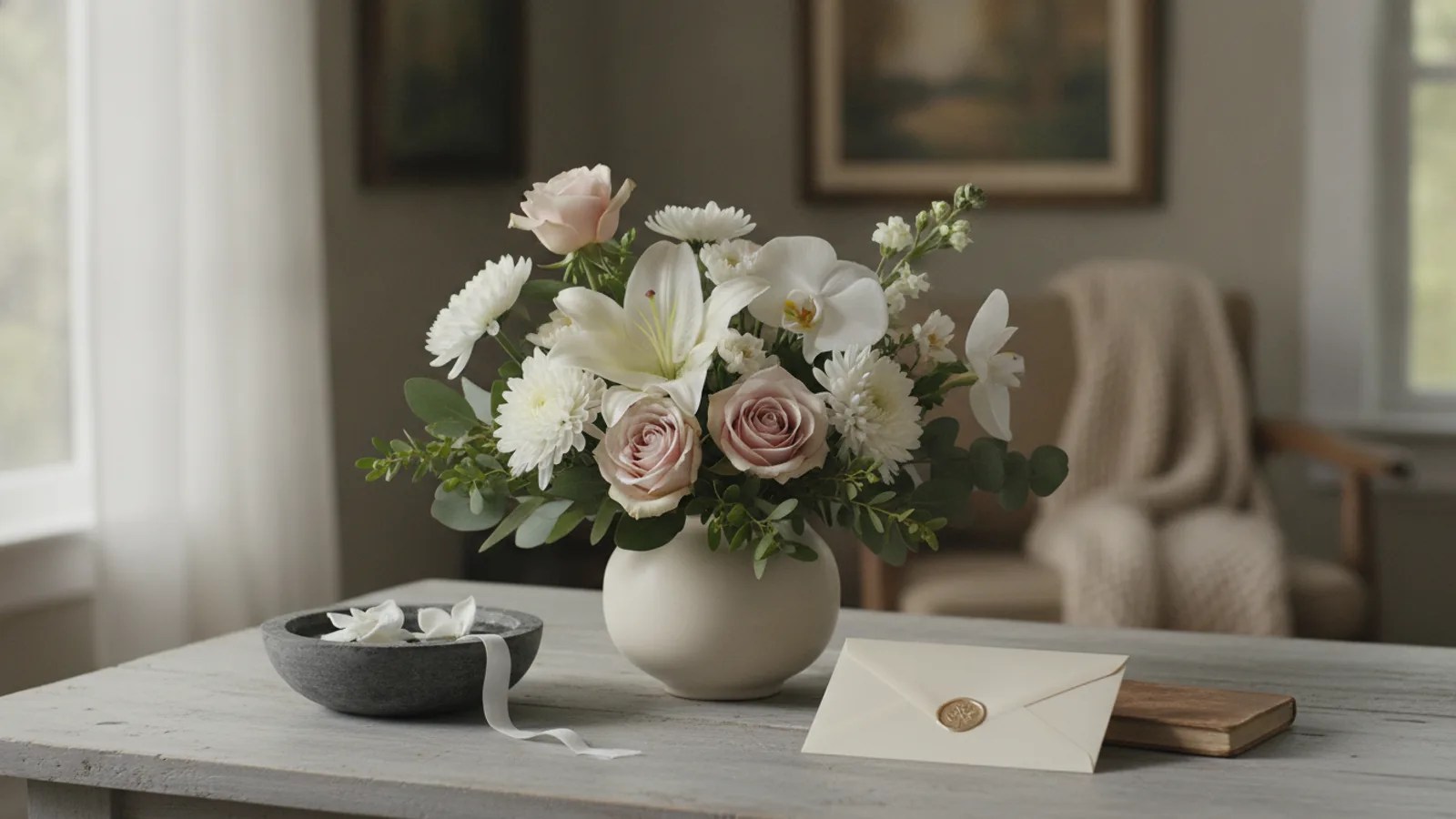
Choosing the right flowers to express condolences is a delicate and important gesture. We've carefully considered over a dozen traditional and contemporary sympathy flowers, evaluating them on their symbolic meaning, aesthetic grace, longevity, and suitability for different settings. Our analysis, based on florist best practices and cultural traditions in the UK, identifies the White Lily as the most classic and universally appropriate choice for conveying heartfelt sympathy.
Quick Comparison
Classic Lilies
- Timeless and elegant
- Potent symbolism
- Ideal for services
White Roses
- Gentle and respectful
- Universally understood
- Perfect for home delivery
Chrysanthemums
- Expresses lasting tribute
- Excellent longevity
- Traditional choice
Personal Carnations
- Deep colour symbolism
- Durable and affordable
- Great for custom wreaths
Living Orchid Plant
- A lasting memorial
- Elegant and understated
- Low fragrance
The Best Flowers For Sympathy
- White Lilies - Best Overall
- White Roses - Best for a Gentle Gesture
- Chrysanthemums - Best for Expressing Lasting Remembrance
- Carnations - Best for a Personalised Tribute
- Orchid Plant - Best for a Living Memorial
White Lilies
White lilies are the quintessential sympathy flower, and for good reason. Their stately, elegant blooms convey a sense of peace, purity, and dignity that is perfectly suited to solemn occasions. Often associated with the restored innocence of the soul after death, they offer a powerful and traditional message of condolence. Their graceful form makes them a stunning choice for funeral sprays and formal arrangements for a service, yet a simple bouquet can also bring a serene presence to the home of the bereaved. They are a timeless, respectful, and deeply meaningful choice that speaks volumes when words are hard to find.
Pros
- Universally recognised symbol of sympathy
- Elegant and formal appearance
- Conveys purity, peace, and majesty
- Suitable for both funeral services and home delivery
Cons
- Strong fragrance can be overwhelming for some
- Pollen can stain fabrics and surfaces
White Roses
Where lilies offer formal grandeur, white roses provide a message of gentle love, reverence, and spiritual purity. They are a softer, more intimate expression of sympathy, making them an excellent choice to send directly to the family's home. A bouquet of pure white roses is a classic symbol of remembrance and innocence, while cream-coloured roses can convey warmth and thoughtfulness. Their universal appeal means they are always appropriate, carrying a message of respect and support without the overt funereal connotations of some other blooms. They are a perfect way to say, "I'm thinking of you" with quiet elegance.
Pros
- Symbolises reverence, love, and innocence
- A gentle and universally understood gesture
- Less formal than lilies, ideal for sending to the home
- Beautiful fragrance that is typically not overpowering
Cons
- Can be a more expensive option
- Vase life can be shorter than other sympathy flowers
Chrysanthemums
In many parts of Europe, including the UK, chrysanthemums are specifically dedicated to funeral tributes and expressions of grief. This strong cultural association makes them a poignant and traditional choice. White chrysanthemums, in particular, symbolise truth, loyalty, and devoted love. Their full, intricate blooms and remarkable longevity mean they are a steadfast presence in wreaths and sprays, representing a lasting tribute to the deceased. While they may be considered too traditional by some for home delivery, their resilience and deep-rooted meaning make them an exceptionally fitting flower for honouring a life at a funeral service.
Pros
- Strong traditional association with grief and remembrance
- Excellent vase life and durability
- Full blooms create impactful arrangements
- Represents truth and loyalty
Cons
- Strongly associated with funerals, may feel too somber for home delivery
- Can be perceived as less modern than other choices
Carnations
Carnations are a humble yet deeply meaningful flower, offering a rich tapestry of symbolism through their colours. White carnations express pure love and innocence, pink signifies remembrance ("I will never forget you"), and red denotes deep admiration and affection. This allows for a highly personalised tribute. Their ruffled petals add lovely texture to arrangements, and their exceptional durability makes them a practical and long-lasting choice for sprays and wreaths. While sometimes seen as a more modest flower, their sturdiness and rich symbolism make them a thoughtful and accessible way to convey a specific, heartfelt message of condolence.
Pros
- Rich and specific colour symbolism for a personal touch
- Very long-lasting and durable
- Affordable and accessible
- Work well in both mixed and single-flower arrangements
Cons
- Sometimes perceived as a less premium flower
- Scent is very mild or non-existent
Orchid Plant
Sending a potted plant offers a different kind of comfort—one that lasts. A white or pale pink Phalaenopsis (Moth Orchid) is a particularly elegant choice. It represents eternal love and provides a living tribute that the family can care for long after the funeral services have passed. Unlike a cut bouquet that fades, an orchid plant can re-bloom, serving as a gentle and beautiful reminder of a cherished life. Its understated beauty and minimal fragrance make it a welcome addition to any home during a time of grieving. It is a thoughtful, modern, and sustainable way to express your enduring sympathy.
Pros
- A lasting gift that lives on as a memorial
- Elegant and sophisticated appearance
- Low fragrance, suitable for any home environment
- Symbolises eternal love and beauty
Cons
- Requires ongoing care from the recipient
- Not a traditional choice for a funeral service itself
Buying Guide: How to Choose The Best Flowers For Sympathy
Navigating the etiquette of sending sympathy flowers can feel daunting. This guide is here to help you make a choice that is both beautiful and appropriate, offering comfort and support when it's needed most.
Understanding Symbolism and Colour
The type and colour of a flower can convey a specific message. While any beautiful flower is a kind gesture, understanding their traditional meanings can help you create a more personal tribute.
- White: The most traditional choice for sympathy, white represents purity, innocence, peace, and reverence. You can never go wrong with white flowers, such as lilies, roses, or carnations.
- Pink: Softer shades of pink convey grace, gentleness, and remembrance. They are a lovely way to honour a cherished friend or female relative.
- Yellow: While often associated with joy, yellow flowers can also represent friendship and happy memories. A touch of pale yellow in an arrangement can be a beautiful way to celebrate a life well-lived.
- Blue & Purple: Shades like soft blue and lavender can signify sorrow, respect, and dignity. Hyacinths and irises are often used to convey these sentiments.
Arrangement Types and Their Purpose
The style of arrangement often depends on where it will be sent. Florists design different types of tributes for specific settings.
- Funeral Sprays & Wreaths: These are large, formal arrangements designed for display at the funeral service or graveside. They are typically sent directly to the funeral home or place of service. Wreaths symbolise eternal life.
- Bouquets & Vases: Hand-tied bouquets or arrangements in vases are best sent to the family's home. They offer personal comfort and are a visible sign that friends and family are thinking of them.
- Potted Plants: A living plant, like an orchid or a peace lily, is a lasting tribute that the family can keep as a memorial. This is a thoughtful and sustainable option.
Where to Send the Flowers
Knowing where to direct your floral tribute is a key piece of etiquette.
- To the Funeral Home: Larger, formal pieces like sprays, wreaths, and casket arrangements should be sent here. The funeral director will ensure they are displayed appropriately at the service.
- To the Family's Home: Smaller bouquets, vase arrangements, and potted plants should be sent to the residence of the bereaved. This avoids overwhelming the family with logistics at the service and provides them with comfort in the days and weeks that follow.
If you're unsure, sending a modest arrangement to the home is always a safe and considerate choice.
Writing a Thoughtful Card Message
The message accompanying your flowers is just as important as the blooms themselves. Keep it simple, sincere, and from the heart.
- "With our deepest sympathy."
- "Thinking of you during this difficult time."
- "In loving memory of [Name]."
- "Sent with love and remembrance."
A short personal memory, if appropriate, can also be very comforting: "I'll always remember [Name]'s wonderful laugh."
Final Verdict: Best Flowers For Sympathy
During a time of loss, a gesture of support can mean the world. While any thoughtful floral tribute is appreciated, some choices are particularly adept at conveying the right sentiment. After careful consideration of symbolism, tradition, and grace, the White Lily stands out as our top recommendation for the best sympathy flower. Its timeless elegance and profound meaning of peace and restored innocence make it a universally respectful and comforting choice for any service or tribute.
For a more personal and lasting gesture sent to the home, the Orchid Plant offers a beautiful, living memorial that provides enduring comfort long after the services have concluded. Ultimately, the best choice is one that comes from the heart and honours the memory of a cherished individual.
Best Flowers For Sympathy 2026 FAQ
What colour flowers are most appropriate for sympathy?
White is the most traditional and universally accepted colour for sympathy flowers, symbolising peace, purity, and reverence. Soft, muted colours like pale pink, lavender, light blue, and cream are also very appropriate and convey a gentle sense of comfort and respect. It's generally best to avoid bright, overly cheerful colours like orange or hot pink, unless you know they were a particular favourite of the deceased and you wish to celebrate their personality.
Is it okay to send a plant instead of a cut flower arrangement?
Absolutely. Sending a potted plant like a Peace Lily, an Orchid, or a Rose plant is a very thoughtful and increasingly popular choice. A living plant serves as a lasting tribute and a gentle, ongoing reminder of support. Many people find comfort in caring for the plant as a way to honour their loved one's memory. It's a wonderful option, especially for sending to the family's home.
When is the right time to send sympathy flowers?
There are two main windows for sending flowers. You can send them to the funeral home for the service as soon as the arrangements are announced. Alternatively, you can send them to the family's home either immediately upon hearing the news or in the week or two following the funeral. Sometimes, receiving a bouquet after the initial wave of support has subsided can be particularly comforting and a reminder that they are not forgotten.
Are there any flowers I should avoid sending for sympathy?
It's wise to avoid flowers that are strongly associated with romantic gestures, such as a bouquet of solely red roses, as this can send a mixed message. Similarly, very bright and celebratory flowers like sunflowers or vibrant tropical blooms might feel out of place for a traditional service. However, the most important rule is consideration; if you know the deceased adored sunflowers, sending a tasteful arrangement could be a beautiful personal tribute. When in doubt, stick to classic choices like lilies, white roses, or carnations.