How To Keep Cut Flowers Fresh
A practical step-by-step guide to how to keep cut flowers fresh, including preparation, instructions, common issues, tips, and next steps.
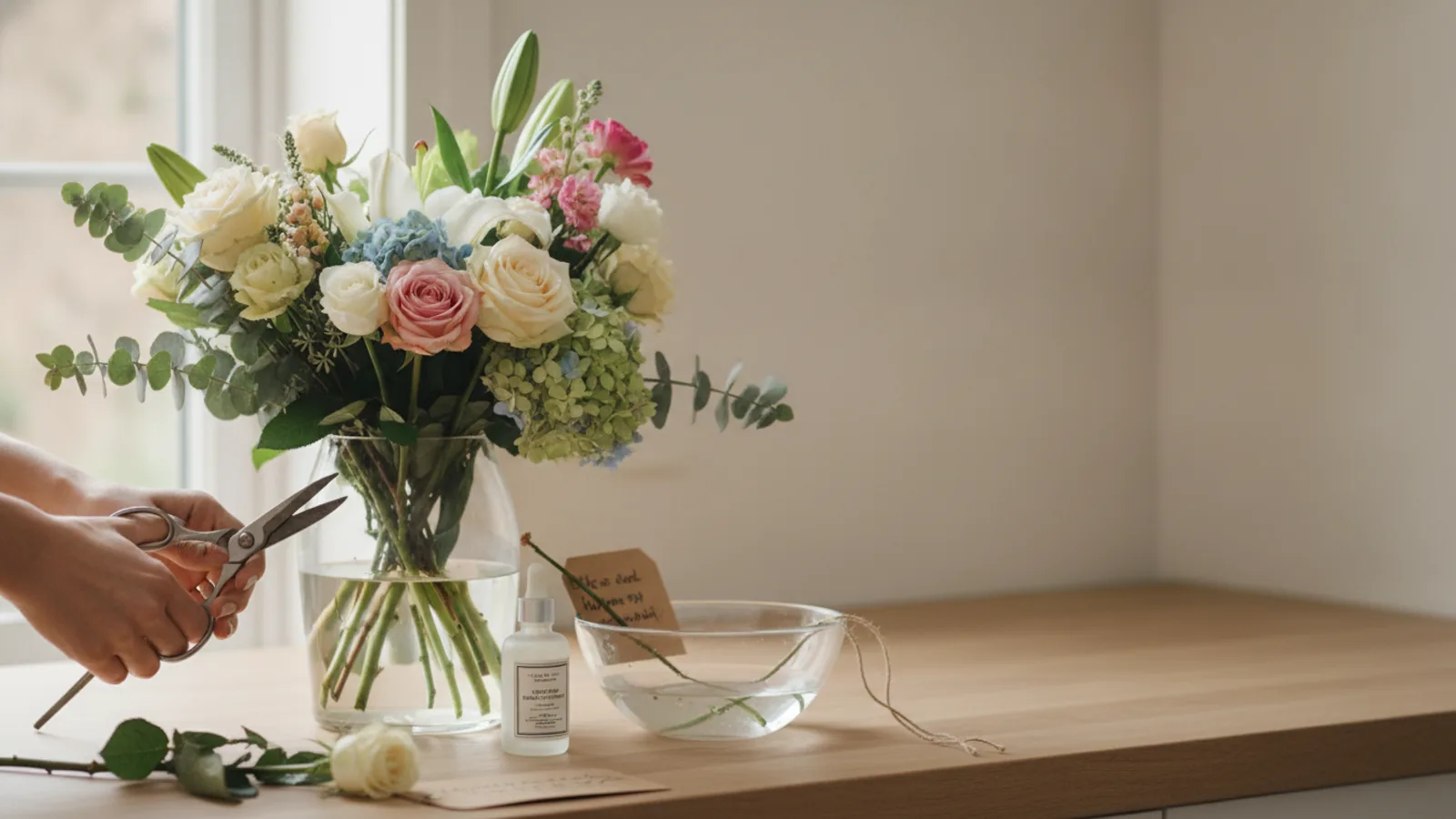
How To Keep Cut Flowers Fresh
A beautiful bouquet can brighten any room, but its fleeting beauty can be disappointing. This guide is your secret to making that joy last longer. Whether you've just received a thoughtful gift or treated yourself to some fresh stems, learning how to keep cut flowers fresh is simple and rewarding. We’ll walk you through every step, from the initial cut to daily care, helping you extend the life of your blooms by days, ensuring your home stays vibrant and fragrant for as long as possible.
Fast Answer
- Trim Stems: Cut 2-3 cm off the ends at a 45-degree angle.
- Use a Clean Vase: Wash with hot, soapy water before use.
- Add Flower Food: Use the sachet that comes with your bouquet.
- Change Water Regularly: Replace the water completely every 1-2 days.
- Position Wisely: Keep flowers cool, out of direct sun and away from fruit.
Before You Start
Gathering a few simple tools before you unwrap your flowers will make the process smooth and effective. Proper preparation is the foundation of long-lasting blooms.
- A spotlessly clean vase or container.
- Sharp secateurs, floral scissors, or a non-serrated knife.
- Fresh, lukewarm tap water.
- The flower food sachet provided with your bouquet.
- A clean work surface or sink.
Step-by-Step Instructions
Prepare Your Vase and Water
Your flowers' first drink in their new home is the most important one. Start with a vase that is impeccably clean. Bacteria are the number one enemy of fresh flowers, as they clog the stems and prevent water absorption. Wash your chosen vase with hot water and a bit of washing-up liquid, using a bottle brush to scrub the inside. Rinse it thoroughly to remove any soap residue.
Once clean, fill the vase about two-thirds full with lukewarm tap water. Cold water can shock the stems, while lukewarm water is more easily absorbed. Now, find the flower food sachet that came with your bouquet. Read the instructions and mix the entire packet into the water, stirring until it's fully dissolved. This solution contains sugar for energy, an acidifier to help the stems drink, and a biocide to slow bacterial growth.
Unwrap and Prune Your Flowers
Carefully remove all packaging from your flowers over a sink or protected surface. Some bouquets are secured with a tie to maintain their arranged shape; you can leave this on for now. Lay the flowers out gently and inspect them.
Your next task is to remove any leaves that will fall below the waterline of your vase. This is a critical step. Leaves left submerged in water will quickly begin to rot, creating a breeding ground for bacteria that will contaminate the water and harm your flowers. Strip them off cleanly with your fingers or snip them with your scissors. At this stage, you can also remove any damaged petals or leaves to tidy up the bouquet's appearance.
Trim Every Stem Correctly
Every single stem in the bouquet needs a fresh cut before it goes into the water. The ends of the stems have likely dried out and sealed up since they were first cut, preventing them from drinking properly. Using very sharp secateurs or a knife, cut at least 2-3 cm (about one inch) off the bottom of each stem.
The angle of the cut is important. Always cut the stems at a sharp 45-degree angle. This creates a larger surface area for water uptake compared to a flat, straight cut, which can sit flush against the bottom of the vase and block water flow. For the best possible results, make the cut under running tap water or with the stem submerged in a bowl of water. This prevents tiny air bubbles (an embolism) from being drawn into the stem, which can create an airlock and stop hydration.
Arrange and Place Your Bouquet
With your flowers prepped and pruned, it's time to place them in your prepared vase. If you left the florist's tie on, you can now cut it and allow the stems to settle naturally in the vase. You can adjust individual stems to create a pleasing, balanced shape. Ensure all stems are submerged in the water.
Now, where should you display your beautiful arrangement? The location has a huge impact on how long your flowers will last. Choose a spot that is:
- Cool: Heat causes flowers to wilt faster. Avoid placing them on top of electronics or near radiators.
- Out of direct sunlight: Strong sun can scorch petals and dehydrate the blooms quickly.
- Away from draughts: Avoid open windows or air conditioning vents that can cause them to lose moisture.
- Far from the fruit bowl: Ripening fruit releases ethylene gas, a plant hormone that speeds up the ageing process in flowers, causing them to fade prematurely.
Provide Daily Care and Maintenance
Your initial prep work has given your flowers the best possible start, but ongoing care is what truly makes the difference. The most important daily task is managing the water. Flowers drink a lot, especially in the first couple of days, so check the water level daily and top it up as needed with fresh, cool water.
Every 1-2 days, it's best to change the water completely. Lift the entire bouquet out, tip out the old water, give the vase a quick rinse, and refill with fresh water and another dose of flower food if you have a multi-day sachet. While the flowers are out of the vase, give the stems another small trim (about 1 cm) to ensure they can continue to drink efficiently. Finally, remove any blooms or leaves that are starting to wilt. This not only keeps the arrangement looking fresh but also prevents decaying material from releasing ethylene gas near the healthy flowers.
Quick Reference
Different flower types have unique needs. Here are a few common examples and how to give them special care.
| Situation | Use this | Why |
|---|---|---|
| Soft, fleshy stems (e.g., Tulips, Hyacinths) |
Use a shallower level of water in the vase. | These stems can rot quickly if they are submerged too deeply. Tulips will also continue to grow in the vase. |
| Tough, woody stems (e.g., Roses, Lilacs, Hydrangeas) |
After cutting at an angle, slit the stem vertically up the middle by 2cm. | This increases the surface area even further, helping these tough stems absorb the large amount of water they need. |
| Hollow stems (e.g., Delphiniums, Amaryllis) |
Turn the flower upside down, fill the hollow stem with water, and plug the end with a small piece of cotton wool. | This acts as an internal reservoir, ensuring the entire bloom stays hydrated from the inside out. |
| Stems with milky sap (e.g., Poppies, Euphorbia) |
Immediately after cutting, sear the end for 5-10 seconds with a flame or dip it in boiling water for 30 seconds. | This process, called cauterising, stops the sticky sap from leaking out and sealing the stem, which would block water uptake. |
Common Problems When You Keep Cut Flowers Fresh
Even with the best care, you might encounter a few issues. Here’s how to troubleshoot the most common ones.
Problem: My flowers are wilting or drooping just a day or two after I got them.
Solution: This is almost always a hydration issue. The stems may be blocked by an air bubble or not taking up water efficiently. To revive them, re-cut all the stems at a sharp angle under running water. Then, place the bouquet in a deep vase of fresh, cool water and move it to a cool, dark room for a few hours. This 'shock treatment' allows the flowers to focus all their energy on drinking, often perking them right back up.
Problem: The vase water has turned cloudy and smells unpleasant.
Solution: This is a clear sign of bacterial contamination. Act immediately. Remove the flowers, discard all the water, and thoroughly wash the vase with soap and hot water. Before returning the flowers, rinse their stems under a tap to wash away any slime and give them all a fresh trim. Refill the vase with clean water and flower food.
Problem: My roses have a 'bent neck' and the heads are flopped over.
Solution: This classic rose problem is caused by an air bubble trapped in the stem, right below the head, which blocks water from reaching the heavy bloom. The fix is often simple. Re-cut the stem of the affected rose and then submerge the entire flower—stem, leaves, and head—in a sink or basin of cool water for 30-60 minutes. This can help dislodge the air bubble and fully rehydrate the bloom.
Advanced Tips for how to keep cut flowers fresh
Ready to take your floral care to the next level? These professional tricks will help you achieve florist-quality longevity.
Condition Your Flowers Like a Pro
Florists never arrange flowers straight out of the box. They first 'condition' them. After you've done the initial pruning and trimming (steps 2 and 3), place the flowers in a deep bucket of clean water with flower food. Leave them in a cool, dark place (like a garage or utility room) for at least four hours, or even overnight. This allows the stems to become fully turgid (filled with water) before they are arranged, making them much more resilient and long-lasting.
Understand Flower Compatibility
Some flowers don't play nicely together. The most famous example is the daffodil (Narcissus). They release a slimy sap into the water that is toxic to many other flowers, especially tulips and roses, causing them to wilt. If you want to include daffodils in a mixed arrangement, you must condition them separately in their own vase for at least 12-24 hours after cutting. Do not re-trim their stems before adding them to the main bouquet, as this will release the sap again.
Use a Tape Grid for Better Arrangements
If you're arranging flowers in a wide-mouthed bowl or vase, it can be difficult to get the stems to stay where you want them. Create a simple support grid by applying thin, clear waterproof tape (florist's tape is ideal) across the mouth of your clean, empty vase in a criss-cross pattern. You can then fill the vase with water and place your stems into the individual squares, giving you much more control over the final shape and structure of your design.
How To Keep Cut Flowers Fresh FAQ
Should I really avoid using old tricks like adding a copper coin, aspirin, or lemonade to the vase?
Is cold water or lukewarm water better for flowers?
How much does the shape of the vase matter?
Can I put my flowers in the fridge to make them last longer?
Final Checklist for how to keep cut flowers fresh
Before you sit back and enjoy your blooms, run through this final checklist to ensure you’ve given them the best care possible.
- The vase was washed thoroughly with soap and water.
- The vase is filled two-thirds full with fresh, lukewarm water.
- A full sachet of flower food has been mixed into the water.
- All leaves that would sit below the waterline have been removed.
- Every stem has been cut 2-3 cm from the bottom at a 45-degree angle.
- The arrangement is in a cool location, away from direct sunlight, heat sources, and the fruit bowl.
- A reminder is set to check and top up the water daily.
- A plan is in place to change the water and re-trim the stems every two days.