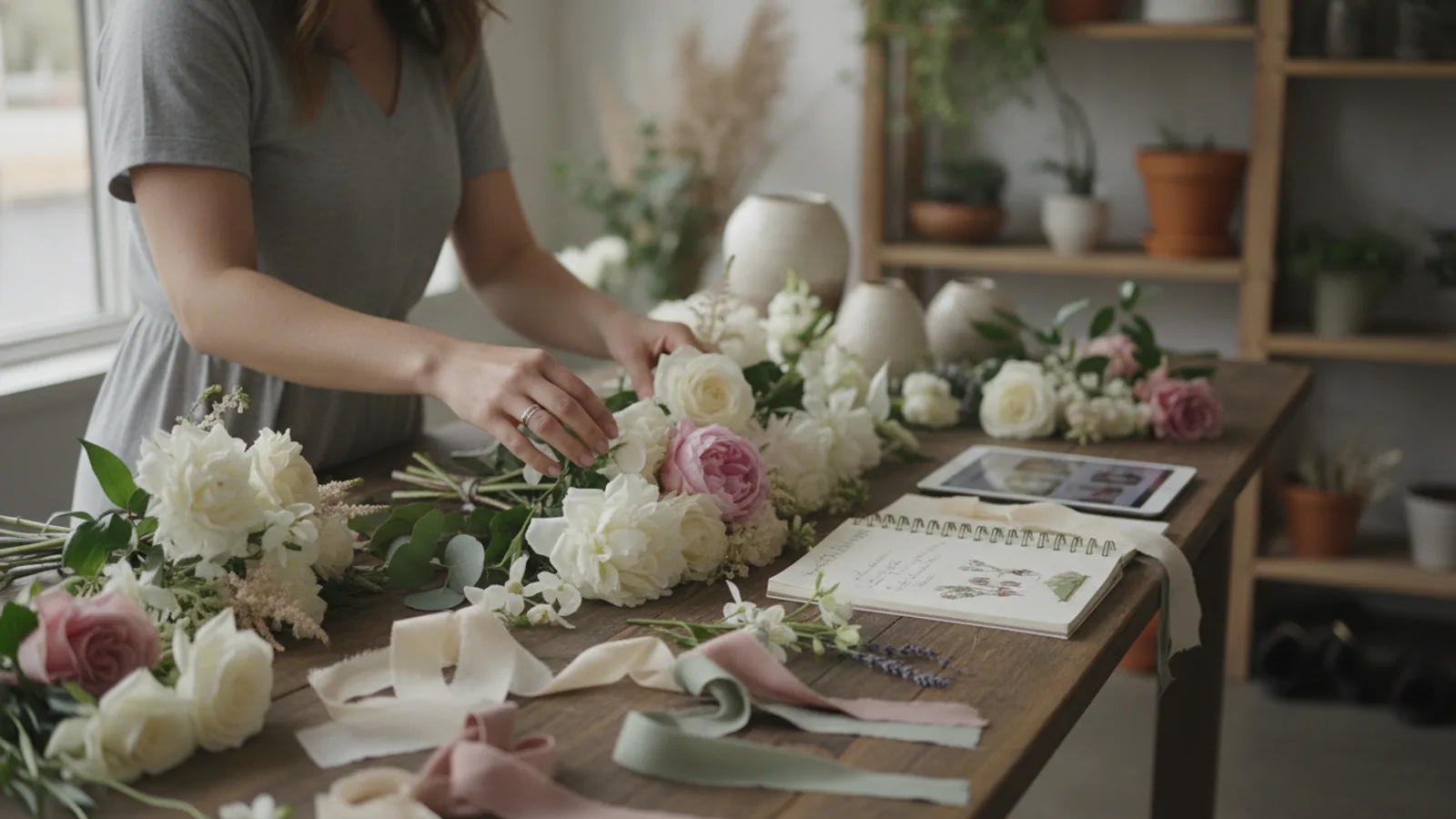
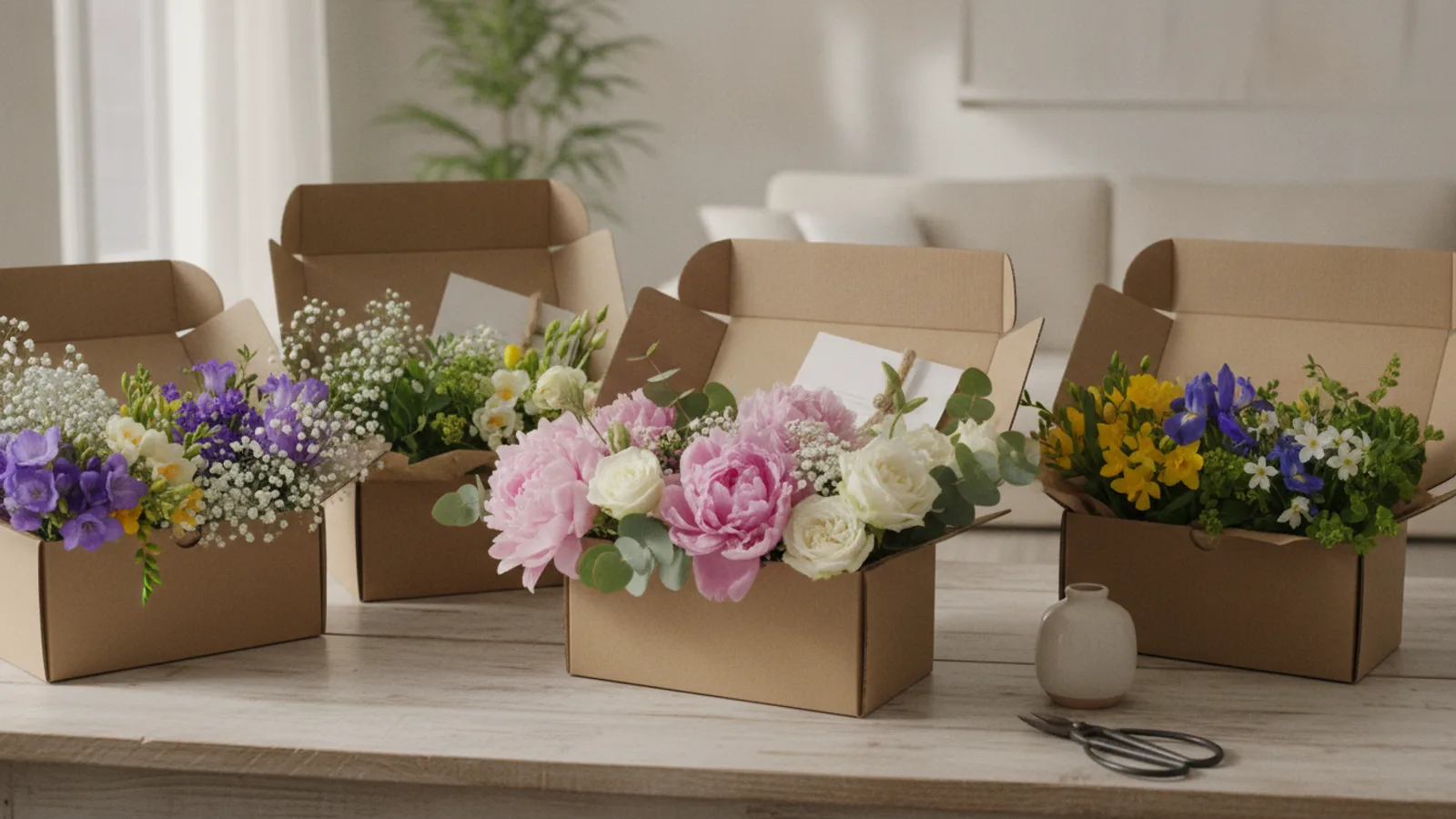
Wedding Flowers Seasonal Guide
A practical step-by-step guide to wedding flowers seasonal guide, including preparation, instructions, common issues, tips, and next steps.

Wedding Flowers Seasonal Guide
Planning your wedding flowers to match the seasons can create stunning, memorable arrangements while often helping your budget. This guide will walk you through understanding which flowers are naturally available in Spring, Summer, Autumn, and Winter in the GB, helping you work effectively with your florist to choose the perfect seasonal blooms for your special day. You'll learn how to embrace nature's calendar for fresh, beautiful, and sometimes more sustainable floral choices.
Fast Answer
- Key Action: Align flower choices with your wedding season.
- Best for: Freshness, vibrancy, and potentially better value.
Before You Start
- Your wedding date and season (Spring, Summer, Autumn, Winter).
- An idea of your wedding theme and colour preferences.
- A list of any "must-have" flowers, even if they aren't seasonal (your florist can advise on alternatives or sourcing).
- Budget considerations for your floral arrangements.
- Initial research into florists in your local area (GB).
Step-by-Step Instructions
1. Understand the Benefits of Seasonal Flowers
Before diving into specific blooms, take a moment to understand why choosing seasonal flowers is a great idea. Flowers that are naturally in season are often at their most beautiful, vibrant, and fragrant. They haven't had to travel as far, which can mean a fresher product and a more eco-friendly choice. Buying seasonally can also sometimes mean better value, as the supply is abundant. This approach helps you connect your wedding day even more closely with the natural beauty of the time of year you're getting married.
Think about the overall feel you want for your wedding. Does a vibrant summer garden appeal, or a cosy, rustic autumnal scene? Letting the season guide your floral choices will enhance the natural ambiance of your special day, creating a cohesive and harmonious look.
2. Identify Your Wedding Season
This might seem obvious, but clearly defining your wedding season is the first practical step. The GB has four distinct seasons, each offering a unique palette of natural beauty. Your wedding date will fall into one of these: Spring (March, April, May), Summer (June, July, August), Autumn (September, October, November), or Winter (December, January, February).
Knowing your season helps narrow down the vast world of flowers. For example, delicate sweet peas thrive in Spring, while robust dahlias burst forth in late Summer and early Autumn. Each season has its characteristic colours and textures, which can inspire your entire wedding decor, not just the flowers.
3. Research Seasonal Flower Availability for Your Chosen Season (GB Focus)
Now it's time to explore the specific flowers typically available in the GB for your wedding season. This research helps you go into discussions with your florist with some informed ideas. Remember this is a guide, and actual availability can vary.
Spring Weddings (March, April, May)
Spring is a season of new beginnings, bringing forth a delightful array of fresh, often pastel, blooms. Think delicate textures and wonderful fragrances. Popular choices include: Tulips (in a rainbow of colours), Narcissus (daffodils, paperwhites), Hyacinths (fragrant and clustered), Anemones (striking centres), Ranunculus (rose-like layers), Freesias (fragrant, multiple blooms on a stem), Peonies (late Spring, highly coveted), Sweet Peas (delicate, fragrant), and Lily of the Valley (tiny, bell-shaped, very fragrant, often expensive). Foliage like Eucalyptus or Ferns can complement these well.
Summer Weddings (June, July, August)
Summer offers an abundance of colourful, lush, and often larger blooms. This is peak wedding season, and the flower choices are extensive. Consider: Roses (many varieties, always popular), Hydrangeas (large, round heads), Delphiniums (tall spires), Larkspur (similar to delphiniums), Sunflowers (for a cheerful, rustic look), Lisianthus (elegant, ruffled petals), Stocks (fragrant, textural), Dahlias (late summer, incredibly varied and popular), Scabiosa (pincushion flower), and Lavender (fragrant, rustic). Summer foliage can include more vibrant greens and herbs like Mint or Rosemary.
Autumn Weddings (September, October, November)
Autumn brings rich, warm hues and interesting textures, moving from bright summer colours to deeper, more muted tones. Seasonal blooms often reflect the changing leaves and harvest themes. Great choices are: Dahlias (still going strong in early autumn), Chrysanthemums (a huge variety, often overlooked), Asters (daisy-like), Sedum (succulent-like clusters), Amaranthus (trailing, dramatic), Celosia (cockscomb texture), Rudbeckia (black-eyed Susan), and Hydrangeas (changing colours). Foliage becomes key, with options like Oak leaves, Maple leaves, berries (hypericum, rose hips), and even small pumpkins or gourds for rustic charm.
Winter Weddings (December, January, February)
Winter can feel challenging for seasonal flowers, but it offers its own unique beauty, often focusing on elegant, sophisticated, or festive blooms and plenty of beautiful foliage. Look for: Hellebores (Christmas rose, elegant), Paperwhites (fragrant narcissus), Cyclamen (potted plants, can be used for decor), Amaryllis (bold, striking), Orchids (often cultivated year-round but fit winter elegance), and Poinsettias (festive, if suitable for your theme). Foliage is crucial here: Pine, Fir, Spruce, Ivy, Eucalyptus, Holly (with berries), and Mistletoe. You can also incorporate pine cones, cinnamon sticks, and dried elements for texture.
4. Work Closely with Your Florist on Seasonal Choices
Your florist is your best resource for navigating seasonal availability. Once you have your wedding date and some ideas, schedule a consultation. Share your initial thoughts, your preferred colours, your overall wedding style, and any specific flowers you love. Be open to their suggestions.
A good florist will know exactly what is available and at its best during your wedding week. They can suggest seasonal alternatives to non-seasonal favourites and advise on how different flowers will work with your chosen venue and theme. They can also provide transparent information about costs related to seasonal versus non-seasonal sourcing.
Trust their expertise. They have experience with different flower varieties, their longevity, and how they behave in various temperatures and conditions. They can also ensure that what you choose aligns with your budget, suggesting creative ways to achieve your desired look without overspending.
5. Consider Your Wedding Style and Colour Palette
Seasonal flowers should complement your wedding's overall aesthetic. Think about your chosen colour scheme. Spring often lends itself to pastels and soft whites, while summer can handle vibrant brights. Autumn embraces rich jewel tones and earthy neutrals, and winter often calls for deep reds, greens, silvers, and crisp whites.
Your florist can help you translate your desired colours into seasonal flower choices. For example, if you love pink, a spring wedding might feature soft blush peonies, while a summer wedding could have hot pink roses, and an autumn wedding could incorporate dusky rose dahlias or berries.
Also, consider the formality of your wedding. A grand ballroom might suit elegant orchids and long-stemmed roses, even in winter. A relaxed outdoor summer wedding might be perfect for wildflowers and garden roses. The season can inspire and enhance your chosen style.
6. Factor in Your Budget and Flower Types
While seasonal flowers can sometimes be more cost-effective, this isn't always a hard-and-fast rule, especially for highly sought-after seasonal blooms like peonies. Discuss your budget openly with your florist. They can help you prioritise where to spend and where to save.
Consider the types of arrangements you need: bridal bouquet, bridesmaids' bouquets, buttonholes, corsages, ceremony decor, reception centrepieces, cake flowers, and more. A few show-stopping arrangements might be worth investing in, while other areas can use more budget-friendly seasonal choices, or even foliage-heavy designs.
Your florist can suggest alternative flowers that give a similar look to a more expensive or out-of-season choice. For instance, if you adore roses but need to stretch your budget, they can suggest smaller rose varieties or other round-headed blooms like spray carnations or standard chrysanthemums, which are available year-round and often excellent value.
7. Plan for Flower Delivery and Care
Once you've made your final decisions, ensure you have a clear plan for flower delivery and care on the wedding day. Discuss with your florist when and where the flowers will be delivered. Will they go directly to the venue, or to where you are getting ready?
Clarify how long the flowers can be out of water, especially bouquets and buttonholes. Ask about any specific care instructions for your arrangements, particularly if your wedding is outdoors or in fluctuating temperatures. Ensure there's a cool, safe place at your venue for flowers to be kept until they are needed.
Confirm who will be responsible for setting up the floral arrangements at the venue and clearing them afterwards. Having these details sorted in advance will prevent any last-minute stress and ensure your beautiful seasonal blooms remain perfect throughout your special day.
Quick Reference
| Situation | Use this | Why |
|---|---|---|
| Spring Wedding | Tulips, Ranunculus, Peonies (late) | Fresh, vibrant colours, delicate forms. |
| Summer Wedding | Roses, Hydrangeas, Dahlias (late) | Lush, full blooms, wide colour spectrum. |
| Autumn Wedding | Dahlias, Chrysanthemums, Berries, Foliage | Rich textures, warm hues, natural elements. |
| Winter Wedding | Hellebores, Amaryllis, Evergreen foliage | Elegant, festive, sophisticated look. |
| Budget Conscious | Ask florist for seasonal alternatives | Often better value, fresher, and aligns with local sourcing. |
| "Must-Have" Out of Season | Discuss sourcing costs or similar-look alternatives | Manages expectations, finds best solutions. |
Common Problems When You Plan Wedding Flowers Seasonally
Problem: My favourite flower isn't in season during my wedding.
This is a very common dilemma. For example, if you dream of peonies for an autumn wedding, you'll find they are strictly a late spring/early summer bloom.
Solution: First, discuss this openly with your florist. They can sometimes source non-seasonal flowers from abroad, but this often comes with a much higher price tag due to import costs, and the flowers might not be as fresh or long-lasting. A better solution is to ask your florist for suggestions for "look-alike" flowers that are in season. For peonies, a florist might suggest garden roses or certain dahlia varieties that have a similar full, ruffled appearance.
Problem: The weather affects seasonal availability.
Unpredictable weather in the GB – early frosts, prolonged heatwaves, or heavy rain – can impact when flowers bloom and how much is available, even for seasonal varieties.
Solution: This is why flexibility and trust in your florist are so important. Book a florist who is experienced and has good relationships with growers. They will stay updated on local growing conditions. Build a little flexibility into your floral plan by having a couple of backup flower options. Your florist might suggest a similar bloom in the same colour palette that they know they can reliably source.
Problem: Seasonal flowers look too rustic for my formal wedding.
Sometimes people associate seasonal flowers with a very natural, wild, or rustic look, which might not fit a more elegant or traditional wedding theme.
Solution: The style of arrangement is often more important than the specific flowers themselves. Even seasonal blooms can be arranged in a very formal, structured way. For example, elegant white tulips or ranunculus in spring can be used to create very chic, minimalist arrangements. In summer, carefully chosen roses and lisianthus can be incredibly sophisticated. Discuss your wedding's formality with your florist, and they can design arrangements that use seasonal flowers but match your desired aesthetic perfectly.
Problem: I'm worried about budget, and thought seasonal was always cheaper.
While generally true that seasonal flowers can offer better value, certain highly sought-after seasonal blooms (like peonies in May/June or specific dahlia varieties) can still be quite expensive due to high demand.
Solution: Be very clear with your florist about your overall floral budget. They are experts at maximising your spend. They can suggest using more foliage, incorporating less expensive seasonal filler flowers (like gypsophila or carnations in modern ways), or choosing fewer, larger statement pieces rather than many small arrangements. Sometimes, using fewer, higher-quality seasonal flowers strategically can look more luxurious than many mediocre out-of-season ones.
Advanced Tips for Wedding Flowers Seasonal Planning
Embrace Local and Sustainable Sourcing
Beyond just choosing what's in season, consider where your flowers are coming from. Working with a florist who sources from local GB flower farms can offer incredibly fresh and unique blooms that haven't travelled far. This supports local businesses and is a more environmentally friendly choice. Local growers often have heirloom varieties not available from larger suppliers.
Think Beyond the Bloom: Incorporate Seasonal Foliage, Berries, and Textures
Don't let your flower plan be all about the flowers. Seasonal foliage, branches, berries, and even seed pods can add incredible depth, texture, and interest to your arrangements. In autumn, think about vibrant maple leaves, rose hips, or even small crab apples. In winter, evergreen branches, pine cones, and dried elements add a festive and cosy feel. These elements are often more budget-friendly and add to the seasonal authenticity.
Consider the "Wow" Factor with Limited Seasonal Blooms
If your budget is tight or you're getting married in a season with fewer floral options (like deep winter), focus on one or two "wow" elements. This could be an incredibly lush bridal bouquet featuring rare hellebores, or a stunning archway adorned with beautiful seasonal foliage and subtle lighting. Concentrating your floral spend on key areas can create a bigger impact than spreading it thinly across many average arrangements.
Dry or Preserve Some of Your Seasonal Blooms
For a lasting memento, consider drying or preserving some of your wedding flowers. While not all flowers dry well, many seasonal varieties do beautifully. Your florist can advise on which blooms are best for this, or you can research methods like air drying or silica gel. Imagine having a framed piece of your bridal bouquet with those perfect seasonal blooms to cherish for years.
Visit Local Flower Markets or Farms
If you're truly passionate about flowers and have the time, visiting local flower markets or even a flower farm (if they offer public access or open days) in the year before your wedding can give you a fantastic visual sense of what's truly in season. It helps you see the actual colours and textures and get inspired directly by nature's bounty.
Wedding Flowers Seasonal Guide FAQ
Are seasonal wedding flowers always cheaper?
Generally, yes, seasonal flowers tend to be more cost-effective because they are abundant and don't require expensive shipping or out-of-season greenhouse cultivation. However, extremely popular seasonal blooms (like peonies) can still be pricey due to high demand during their short season. It's always best to discuss your budget with your florist, as they can guide you to the best value seasonal options.
What if my wedding is in a less "flowery" season like winter?
Winter weddings offer a unique opportunity for elegance and drama. Instead of focusing solely on traditional blooms, embrace the season's natural elements. Think rich evergreen foliage (pine, fir, spruce), berries (holly, ivy), striking architectural elements like amaryllis or orchids, and the subtle beauty of hellebores. You can also incorporate non-floral elements like pine cones, cinnamon sticks, or even fairy lights for a magical, festive feel.
Can I mix seasonal and non-seasonal flowers?
Absolutely! Many couples choose to have a blend. You might have a specific dream flower that's out of season, and your florist can often source it for you, albeit at a potentially higher cost. You can then surround this special bloom with beautiful, more affordable seasonal flowers and foliage. This approach allows you to have your "must-have" while still benefiting from the freshness and value of seasonal choices.
How far in advance should I plan my wedding flowers?
It's generally recommended to book your florist and finalise your flower plan about 6-9 months before your wedding date. This gives you plenty of time for consultations, allows your florist to confirm availability with growers, and ensures you get your preferred choice of supplier. For very popular dates, some couples book even earlier.
Should I tell my florist specific flower names or just colours/style?
Both are helpful! You can certainly tell your florist specific flower names you love, especially if you have a "must-have." However, also describe your overall style (e.g., romantic, modern, rustic) and your preferred colour palette. This gives your florist creative freedom to suggest the best seasonal flowers that fit your vision, even if they aren't the exact names you initially thought of.
Final Checklist for Wedding Flowers Seasonal Planning
- Confirm your wedding date and season: Clearly establish which of the four GB seasons your wedding falls into.
- Research seasonal flowers: Have a general idea of what blooms are naturally available during your season.
- Define your wedding style and colour palette: Ensure your flower choices will complement your overall aesthetic.
- Set a realistic flower budget: Know your financial limits and discuss them openly with your florist.
- Book a reputable florist: Choose someone experienced with seasonal sourcing and good local connections.
- Have a detailed consultation with your florist: Share your vision, ideas, and any "must-have" flowers.
- Be open to your florist's suggestions: Trust their expertise in sourcing and design.
- Confirm final flower selections: Ensure you are happy with the chosen seasonal blooms and arrangements.
- Finalise delivery and setup plans: Know where and when flowers will arrive and who is responsible for placement.
- Plan for post-wedding flower care (optional): Consider repurposing, donating, or preserving your blooms.