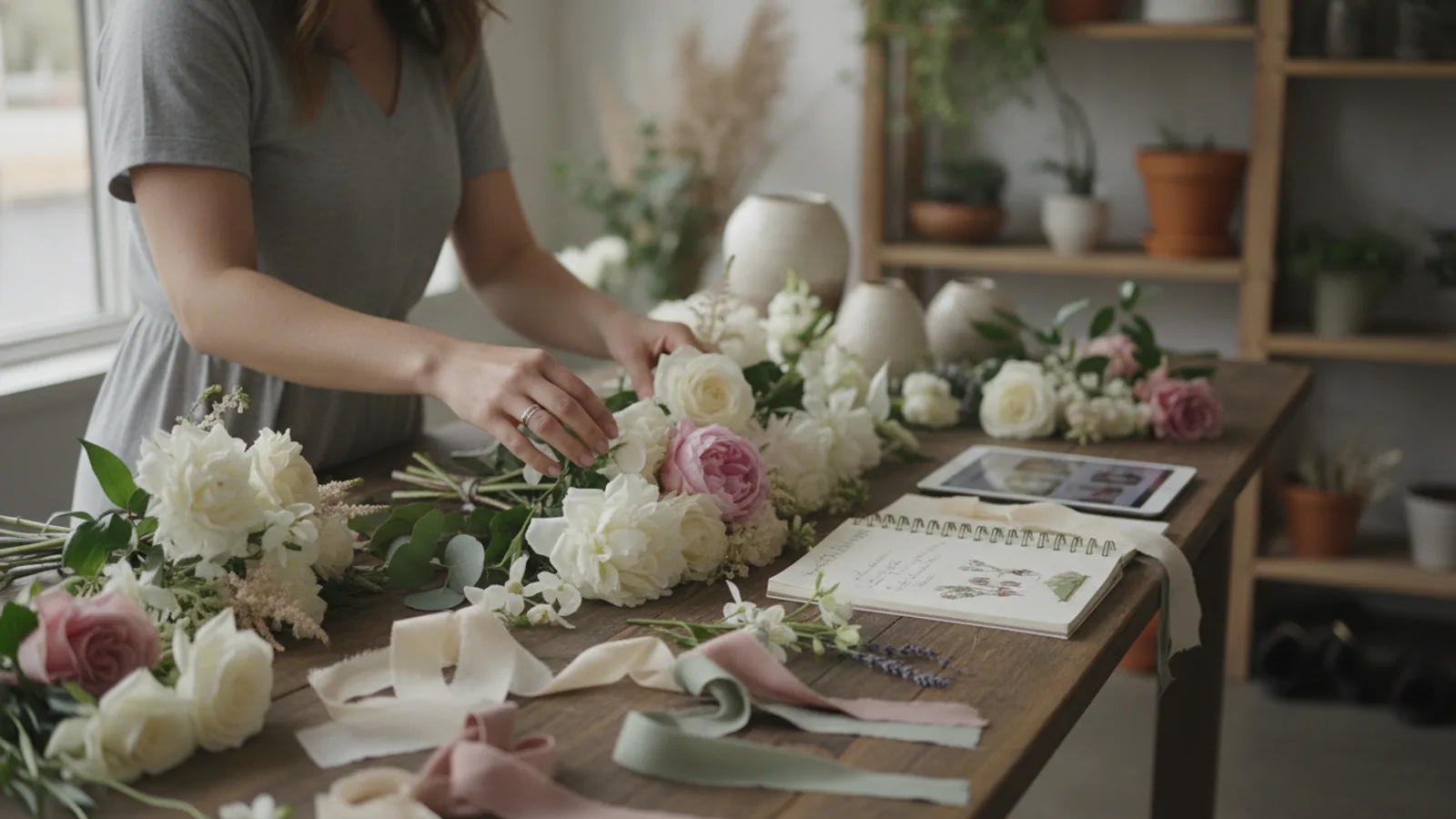
Fresh Flower Bouquet Care Guide
A practical step-by-step guide to fresh flower bouquet care guide, including preparation, instructions, common issues, tips, and next steps.

Fresh Flower Bouquet Care Guide
Bringing a beautiful fresh flower bouquet into your home brightens any space and lifts the spirit. This fresh flower bouquet care guide will show you how to keep your cherished blooms looking vibrant and lasting longer, helping you enjoy their beauty for days, or even weeks. Whether it’s a gift, a special occasion arrangement, or just a treat for yourself, understanding proper care makes all the difference in extending their graceful life.
Fast Answer
- Initial Prep: 10-15 minutes
- Daily Care: 2-3 minutes
- Water Change: Daily
- Stem Trim: Every 2-3 days
- Ideal Spot: Cool, out of direct sunlight
Before You Start
- Sharp scissors or a floral knife: Essential for clean, precise stem cuts. Dull tools can crush stems, blocking water absorption.
- A clean vase: Choose one that's proportionate to your bouquet's size and has been thoroughly washed.
- Fresh, lukewarm water: Lukewarm water is easier for flowers to absorb than very cold water, as it travels up the stems more quickly.
- Flower food sachet: This is usually provided with your fresh flower bouquet and contains vital nutrients and a bacterial inhibitor.
- A clean sink or bucket: Useful for holding stems while you trim them and for easy water changes.
- Rubbish bin: For disposing of trimmings and any leaves you remove.
- Gentle hands: Flowers are delicate, so always handle your fresh flower bouquet with care.
Step-by-Step Instructions
Unwrap Your Bouquet with Care
Your fresh flower bouquet has just completed a journey, so it's ready for some gentle attention. Carefully remove any outer wrapping, ties, or packaging. If your bouquet arrived with a specific structure or a ribbon holding it together, you might want to keep that tie in place initially to maintain the florist's arrangement.
Lay your bouquet down gently on a clean, flat surface. Take a moment to admire the blooms and check for any petals or leaves that might have been bruised during transit. These can be carefully removed now if desired.
Prepare Your Vase and Water
Choosing the right vase is important. It should be large enough to hold all the stems comfortably without crowding, allowing air to circulate. Make sure it's tall enough to support the flowers, preventing them from flopping over.
Wash your chosen vase thoroughly with warm, soapy water, then rinse it several times to remove all soap residue. Soap can be harmful to flowers. Fill the vase with fresh, lukewarm water. This temperature helps flowers drink more efficiently. Add the entire sachet of flower food that came with your fresh flower bouquet; it contains crucial nutrients and a bacteria-fighting agent.
Trim Stems Properly for Best Absorption
This is one of the most crucial steps in fresh flower bouquet care. Using your **sharp scissors** or **floral knife**, trim about **2-3 cm (about an inch)** off the bottom of each stem. It’s vital to cut the stems at a **45-degree angle**. This angled cut maximises the surface area for water absorption and prevents the stems from sitting flat on the bottom of the vase, which can block water uptake.
Work quickly from cutting to placing in water. If possible, some florists recommend trimming stems under water to prevent air bubbles from entering the vascular system of the flower, which can create an 'airlock' and stop water reaching the bloom. If you can't do this, just be swift.
Remove All Lower Leaves
Carefully strip away any leaves or foliage that would fall below the waterline in your chosen vase. Leaves submerged in water will quickly rot. This decaying plant material is a perfect breeding ground for bacteria, which will contaminate the water and quickly block the stems from absorbing the fresh water and nutrients.
Removing lower leaves also helps direct more water and nutrients to the flowers themselves, as the leaves won't be competing for resources. Be thorough but gentle, ensuring you don't damage the stems or accidentally strip away too many leaves that are part of the bouquet's aesthetic above the water line.
Place Your Bouquet and Choose the Perfect Spot
Once all stems are trimmed and lower leaves removed, immediately place your fresh flower bouquet into the prepared vase filled with fresh water and flower food. Arrange them gently, ensuring that no stems are bent or crushed. Give each bloom a little space if possible, to allow for air circulation and individual beauty.
The location of your fresh flower bouquet is key to its longevity. Choose a spot that is **cool, away from direct sunlight**, and free from draughts. Avoid placing flowers near heat sources like radiators, fireplaces, or even electronics, as heat speeds up wilting. Also, keep them away from ripening fruit.
Change Water and Re-Add Flower Food Daily
This is perhaps the single most important daily task for excellent fresh flower bouquet care. Every day, completely **change the water** in your vase. Empty out the old water, give the vase a quick rinse (or a proper wash if it looks cloudy), and refill it with fresh, lukewarm water.
When you change the water, add a new half sachet of flower food (or a full sachet if you're using a large amount of water). This ensures a continuous supply of nutrients and keeps bacterial growth at bay. If changing the water daily feels like too much, at least top up the water level and swirl it gently, but a full change is always best.
Re-trim Stems Every Few Days
Just like our skin, the cut end of a flower stem can seal over or become blocked with debris over time, reducing its ability to absorb water. To combat this, every **2-3 days**, carefully remove your fresh flower bouquet from the vase.
Empty the old water, and using your **sharp scissors or floral knife**, re-trim another **1-2 cm** off the bottom of each stem at that familiar **45-degree angle**. This re-opens the stems, allowing for much better water uptake. Once trimmed, immediately place them back into a clean vase with fresh water and flower food.
Remove Wilting or Spent Blooms
Not all flowers in your fresh flower bouquet will last the same amount of time. As individual flowers start to fade, droop, or discolour, gently remove them from the arrangement. This process, often called 'deadheading,' serves several purposes.
Firstly, it keeps the overall bouquet looking tidy and fresh, improving its aesthetic appeal. Secondly, wilting flowers, much like ripening fruit, can release ethylene gas which can prematurely age the healthier blooms around them. Removing them helps the rest of your fresh flower bouquet last longer.
Quick Reference
| Situation | Use this | Why |
|---|---|---|
| Drooping flowers | Immediately re-cut stems, submerge in a basin of cool water for 30-60 mins, then fresh vase water. | Removes airlocks, allows rapid re-hydration, and boosts turgidity. |
| Cloudy, smelly water | Empty vase, wash thoroughly with warm soapy water, rinse well, refill with fresh water and flower food. | Eliminates bacterial growth which blocks stems and shortens vase life. |
| Short vase life overall | Review and follow all steps of this fresh flower bouquet care guide consistently from day one. | Ensures continuous water and nutrient supply, prevents decay, and optimises environment. |
| Blooms not opening | Place in a slightly warmer spot (but not hot, or direct sun) for a few hours. | Gentle warmth can encourage tight buds to open without causing stress or rapid fading. |
| Unwanted pests (rare) | Gently wipe off with a damp cloth; isolate affected bloom if severe. | Prevents spread and keeps your fresh flower bouquet healthy without harsh chemicals. |
Common Problems When You fresh flower bouquet care guide
Even with the best intentions, you might encounter a few common hurdles when caring for your fresh flower bouquet. Knowing what to look for and how to fix it can save your blooms.
1. Drooping or Wilting Blooms
This is often the most heartbreaking sight. Drooping flowers typically indicate a lack of water absorption, which can be due to several reasons. An air bubble might have entered the stem, blocking water flow, or the stem ends have sealed over. It can also be a sign of extreme thirst if the bouquet has been without water for too long.
Fix: Immediately remove the affected flowers (or the whole bouquet). Re-trim the stems at an angle, perhaps even under cool running water if possible. For severely wilted blooms, you can try submerging the entire flower, stem and head, into a bath of cool water for 30 minutes to an hour. This often helps them re-hydrate rapidly.
2. Cloudy or Foul-Smelling Water
This is a clear indicator that bacteria are thriving in your vase. The murky appearance and unpleasant smell mean the water is contaminated, and these bacteria are actively blocking your flowers' ability to drink.
Fix: Act fast! Remove the flowers, empty the old water, and thoroughly wash your vase with hot, soapy water, scrubbing away any slimy residue. Rinse extremely well. Re-trim the flower stems, then refill the vase with fresh, lukewarm water and a new sachet of flower food. Be vigilant about daily water changes going forward.
3. Premature Fading or Browning Petals
If your flowers are fading faster than expected, turning brown at the edges, or looking dull, it could be due to excessive heat, direct sunlight, or exposure to ethylene gas. Certain varieties are also just naturally shorter-lived than others.
Fix: Review the placement of your fresh flower bouquet. Is it too close to a window, radiator, or television? Is there any ripening fruit nearby? Move the bouquet to a cooler, shadier spot. If individual blooms are browning, remove them to prevent them from affecting the others.
4. Leaves Rotting in the Water
This is a common oversight. If leaves are left below the waterline, they quickly break down and create a breeding ground for harmful bacteria. This leads to cloudy water and blocked stems.
Fix: Carefully remove the bouquet from the vase. Strip away any and all leaves that would sit submerged in the water. Clean the vase thoroughly, change the water, and re-trim the stems before placing your fresh flower bouquet back.
5. Blooms Not Opening
Some flowers are delivered in tight bud form, which is normal and desirable for longevity. However, if they remain stubbornly closed, it might be an environmental issue.
Fix: Ensure your room isn't too cold. A slightly warmer (but not hot) room can encourage buds to open. A very tiny splash of lemonade in the water (instead of flower food, not with it) is an old trick some florists use, as the sugar can help. However, commercial flower food is generally more reliable.
Advanced Tips for fresh flower bouquet care guide
Once you've mastered the basics, these advanced tips can help you push the boundaries of fresh flower bouquet longevity and enjoyment.
1. Give Your Flowers a Refreshing Bath
For a truly thirsty or tired-looking fresh flower bouquet, especially after a long journey, a 'flower bath' can work wonders. After trimming the stems and removing lower leaves, fill a clean bath or large sink with a few inches of cool water. Gently lay the entire bouquet, flowers and stems, into the water for about 30 minutes to an hour. This allows the blooms to absorb water directly through their petals and stems, providing a rapid re-hydration boost.
2. Hydrating Woody Stems
If your fresh flower bouquet includes flowers with woody stems, like roses, hydrangeas, or lilac branches, they can sometimes struggle to absorb water effectively through their tough outer layer. For these, consider a different approach to trimming.
Instead of just an angled cut, you can gently split the bottom 2-3 cm of the stem vertically with a knife, or even gently hammer the very end of the stem (for woody branches only) to break up the fibres. This creates a larger surface area for water absorption. Be careful not to split too far up the stem, as this can damage the flower.
3. The Power of Cool Storage
If you want to slow down the blooming process or extend the life of your fresh flower bouquet, particularly if you've received them a few days before an event, consider cool storage. Place your bouquet in a cool, dark room or even in a fridge overnight. Ensure the fridge is free of fruit, as the ethylene gas will have the opposite effect.
Wrap the bouquet loosely in newspaper or a plastic bag to prevent dehydration in the dry fridge air. This cool temperature significantly slows down the metabolic processes of the flowers, keeping them fresher for longer.
4. Isolating Struggling Blooms
Sometimes, one or two flowers in a fresh flower bouquet might start to fade much faster than the rest. As mentioned, these dying blooms can release ethylene gas which affects their neighbours. Don't be afraid to remove them as soon as they show significant signs of wilting. This is a practical step to preserve the beauty of the remaining, healthier flowers.
5. Understand Different Flower Lifespans
Not all flowers are created equal when it comes to vase life. Roses and lilies often last a good week to ten days, while delicate sweet peas or peonies might only last a few days. Knowing this helps you manage your expectations and appreciate each flower for its unique natural lifespan. Don't feel you've failed if a particularly delicate bloom fades quickly; it's simply its nature.
6. Rotating Your Bouquet
If your fresh flower bouquet is placed in a spot where light comes from one direction, the flowers might start to lean towards the light source. Gently rotate your vase every day or two to encourage even growth and keep your arrangement looking balanced and full from all angles.
Fresh Flower Bouquet Care Guide FAQ
Here are some frequently asked questions about caring for your beautiful fresh flower bouquet:
Q: How often should I change the water for my fresh flower bouquet?
A: Ideally, you should **change the water completely every day**. If daily changes aren't practical, make sure to top up the water level daily and aim for a full water change every other day. Consistent fresh water is paramount for good fresh flower bouquet care.
Q: Can I make my own flower food?
A: While some homemade recipes exist (often involving a mix of sugar for nutrients, bleach for anti-bacterial, and vinegar for pH balance), commercial flower food sachets are scientifically formulated for optimal results. They offer a balanced blend of nutrients and specific bacterial inhibitors. It's always best to use the sachet provided with your fresh flower bouquet, or purchase universal flower food if you've run out.
Q: Why are my flowers drooping even after I trimmed them and changed the water?
A: If your flowers are still drooping, it could be a persistent airlock in the stems, especially if they were out of water for a while before trimming. Try re-trimming the stems again, perhaps even holding them under cool water while you cut. Then, let the bouquet sit in a sink or bath with several inches of cool water for 30 minutes to an hour to allow for maximum re-hydration. Also, ensure they are not in a hot or draughty spot.
Q: Is it okay to put ice cubes in the vase water?
A: While the idea of keeping water cold might seem appealing, very cold water can actually shock flowers and make it harder for them to absorb what they need. Lukewarm water is generally preferred as it travels up the stems more easily. Stick to fresh, lukewarm water and change it frequently rather than trying to cool it with ice.
Q: How long can I expect my fresh flower bouquet to last?
A: The lifespan varies greatly depending on the flower type, how fresh they were when you received them, and how diligently you follow this fresh flower bouquet care guide. Generally, with proper care, you can expect most bouquets to last **5 to 10 days**. Some hardy flowers like chrysanthemums or carnations can last even longer, while delicate blooms like sweet peas or lilies might have a shorter lifespan of 3-5 days.
Q: Can I reuse the flower food sachet?
A: No, a flower food sachet is designed for single use. Once the contents are dissolved, its active ingredients are used up or become less effective. Always use a new sachet, or a fresh dose from a larger pack, each time you change the water for optimal fresh flower bouquet care.
Final Checklist for fresh flower bouquet care guide
Before you step away from your beautiful fresh flower bouquet, quickly run through this checklist to ensure you've given it the best possible start and ongoing care:
- Vase is sparkling clean: No old water residue or slime.
- Water is fresh and lukewarm: Ready for optimal absorption.
- Flower food is added: Providing essential nourishment and bacterial control.
- All stems are trimmed at a 45-degree angle: Ensuring maximum surface area for drinking.
- No leaves are below the waterline: Preventing bacterial growth and water contamination.
- Bouquet is placed in a cool spot: Away from direct sunlight, heat sources, and draughts.
- No ripening fruit nearby: Avoiding exposure to ethylene gas.
- Plan to check water daily: Commitment to consistent fresh flower bouquet care.
- Plan to re-trim stems every 2-3 days: To keep those water channels open.
- Commitment to removing spent blooms: Maintaining the beauty and health of the remaining flowers.
Following this fresh flower bouquet care guide diligently will transform your experience, allowing you to enjoy your stunning blooms for as long as possible. Enjoy the beauty and fragrance they bring to your home!